This is how many students choose independent schools in Sweden
Published: August 12, 2024
Miscellaneous
Since the 1992 independent school reform, the number of independent schools and the number of students choosing these schools has increased significantly in Sweden. Today, nearly 20 percent of all children and students attend an independent preschool, elementary school, or high school. To understand this growing trend, here are a few reasons why this development has taken—and continues to take—the form it has.
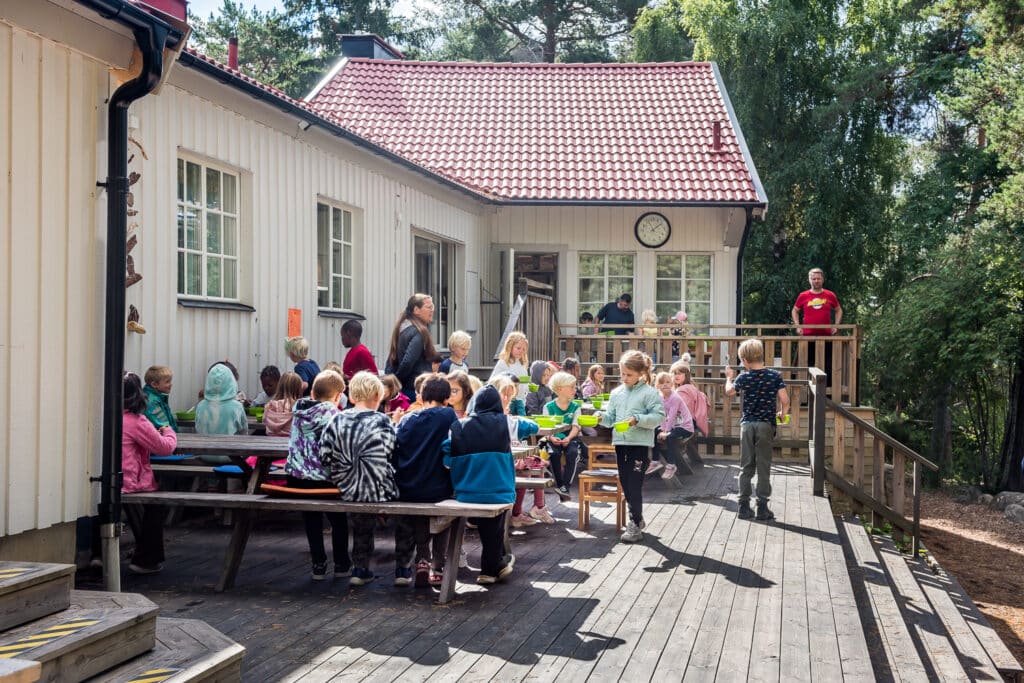
In the early 1990s, the school reform was introduced, which meant that the same conditions would apply to both independent schools and municipal schools. Since then, the number of independent providers has grown, and today there are just over 4,193 independent schools and preschools spread across the country. This accounts for nearly a quarter of all Swedish preschools and schools. This development has meant that many parents and students today have more educational choices than before, which has led to a continuing increase in the trend toward choosing independent alternatives.
Specializations and Areas of Focus
Independent schools often offer specializations and programs that can be very appealing to students with specific interests or needs. Many independent schools focus on areas such as music, sports, or languages, making them an attractive option for many families.
Geographic Distribution and Availability
Independent schools are found not only in major cities but also in many smaller municipalities. Independent preschools are located in 245 of the country’s 290 municipalities, and independent elementary schools in 186 municipalities. This has made it possible for more students in different parts of the country to receive the education that best suits them. Many students choose independent schools precisely because of their specific educational focus and the additional opportunities these schools often offer.
Smaller schools and more personalized instruction
Independent schools are often smaller than municipal schools. Among independent elementary schools, 31 percent have fewer than 100 students, compared with the municipal schools’ average of 267 students per school. This can lead to more personalized and individually tailored instruction, something that many parents and students value highly, according to the National Association of Independent Schools. For high schools, the corresponding figures are 21 percent for independent schools and an average of 302 students per school for municipal schools.
See also: The Difference Between Private Schools and Public Schools: What You Should Know
Nearly half a million children and students
In summary, it can be said that independent schools have become an established and important part of the Swedish education system. Today, more than 417,000 children and students—representing nearly 20 percent of all children and students in Sweden—attend independent preschools, elementary schools, or high schools. These schools offer alternatives and choices that many parents and students appreciate, which has contributed to their growing popularity.
For more statistics on schools and students' school choices, visit friskola.se
If you'd like to learn more about how Tellusgruppen works and its vision for educating the next generation, click here